Graded collectibles
Give Every Graded Card an Unforgeable Digital Twin.
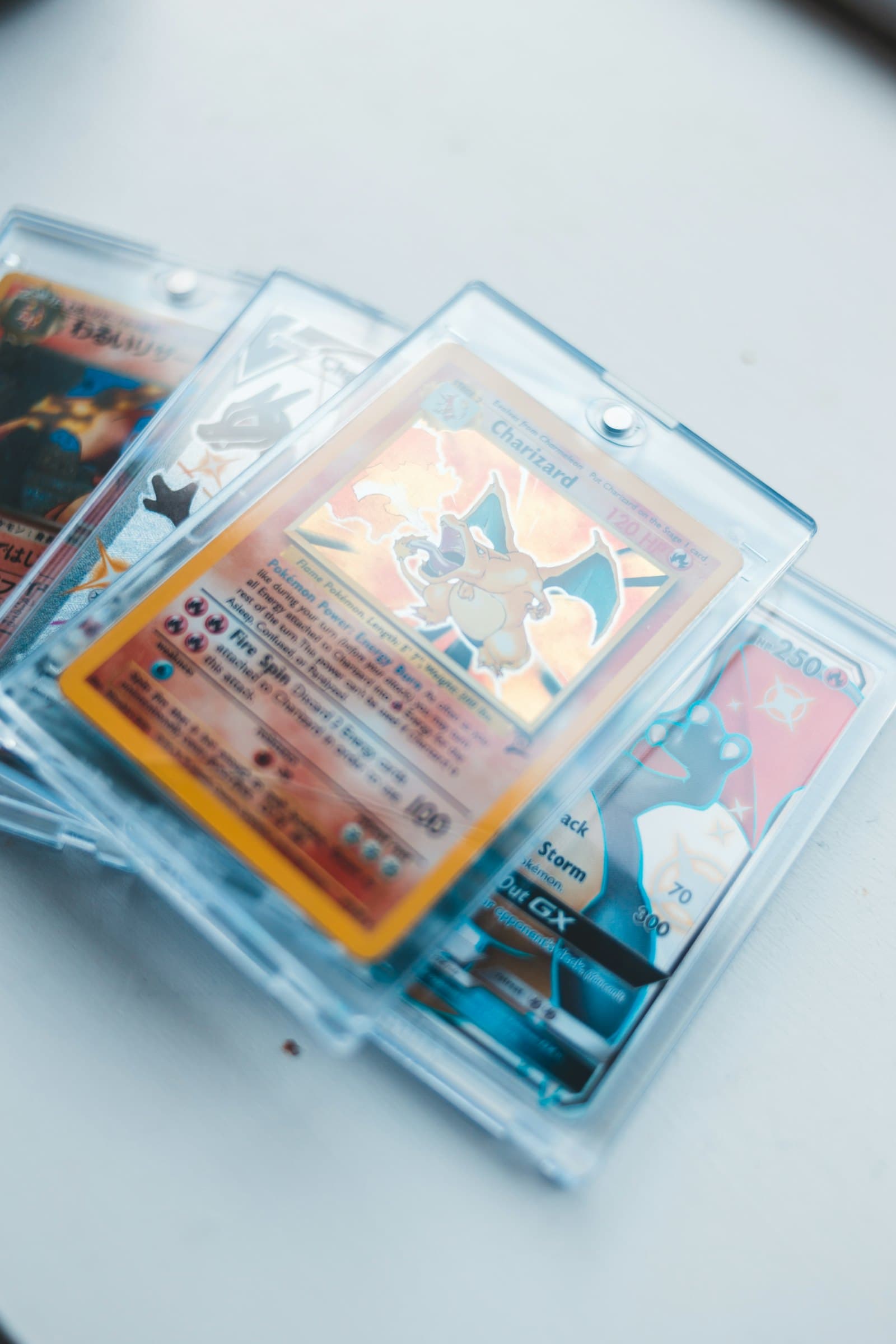
Mint a Script-backed certificate for every PSA-graded slab you sell, trade, or vault. Provable ownership history, not a database anyone can quietly edit.
The context
Committing the grading data and every subsequent transfer to Bitcoin gives the record a property a database can't have: changing it after the fact is detectable.
What you get
- Hash-committed grading data
- Commit the grade, serial and grading metadata so later alteration is detectable.
- Chain of custody as transfer history
- Each sale or vault movement becomes an on-chain transfer rather than a database row.
- Optional resale royalties
- Encode resale royalty logic into the transfer rules if your model calls for it.
Where it starts
Describe the certificate. Get something that runs.
- Certification is a listed example
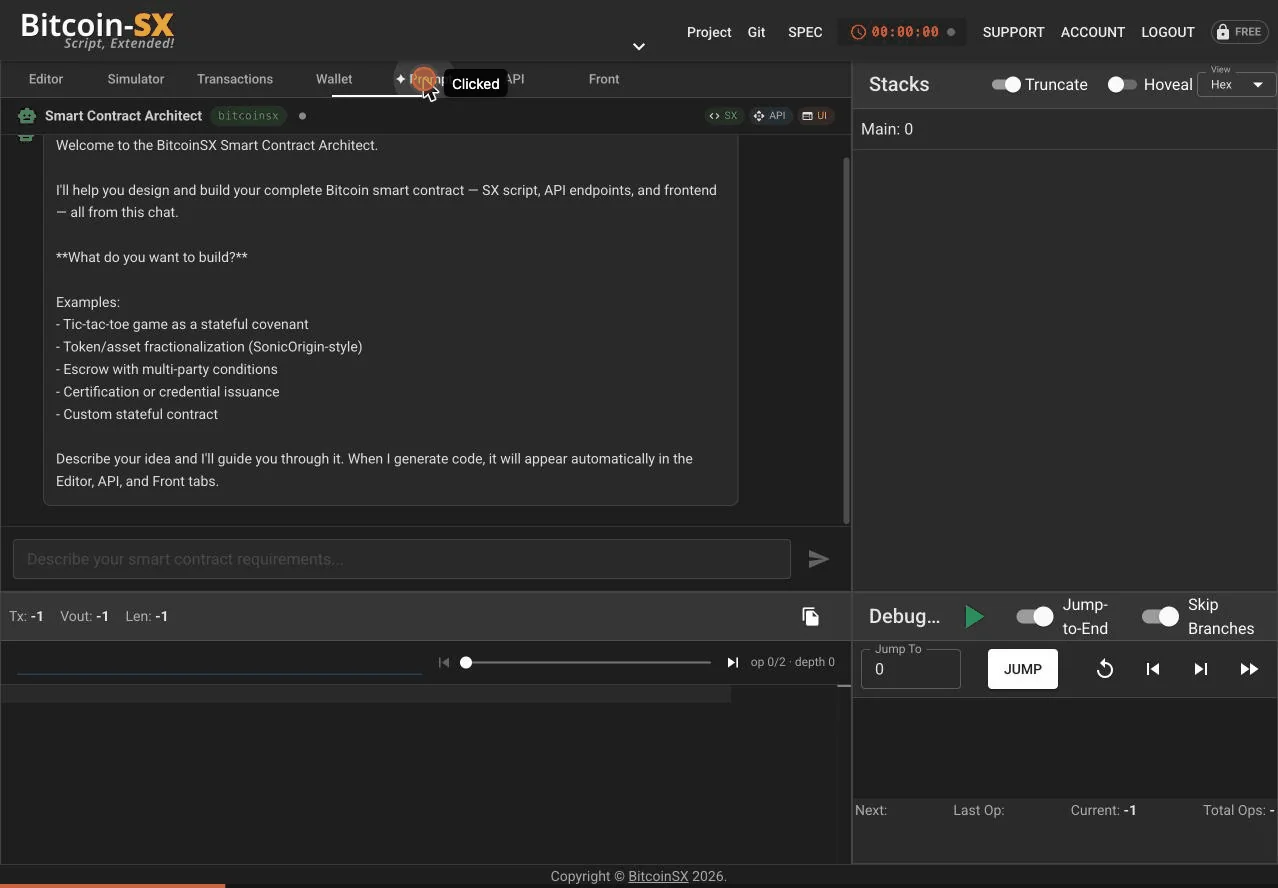
- The Architect's prompt examples include certification and credential issuance, which is the same shape as a graded-slab certificate.
- The verifier comes too
- The generated API and Front tabs give you the lookup surface a buyer or vault would use, not just the contract.
- Commit the grading data once
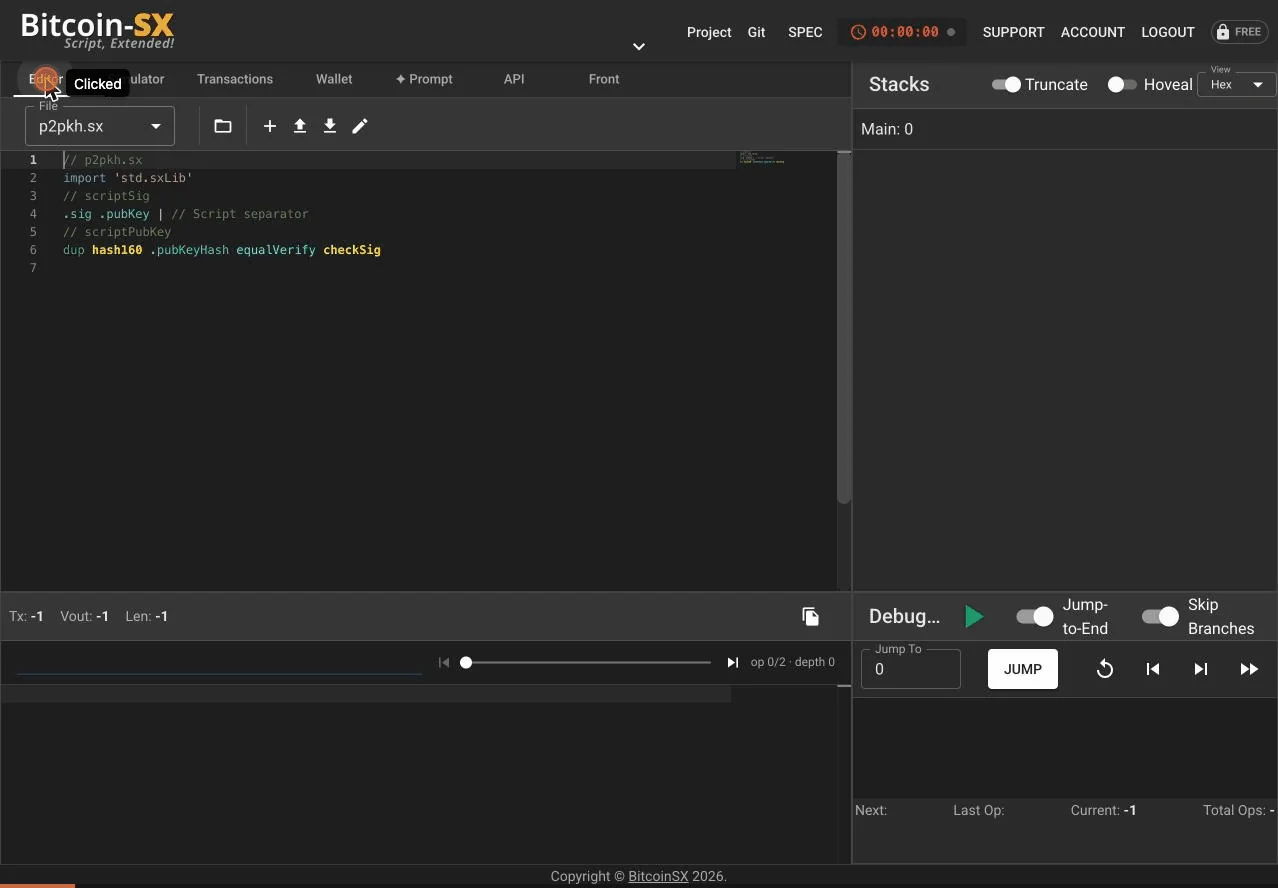
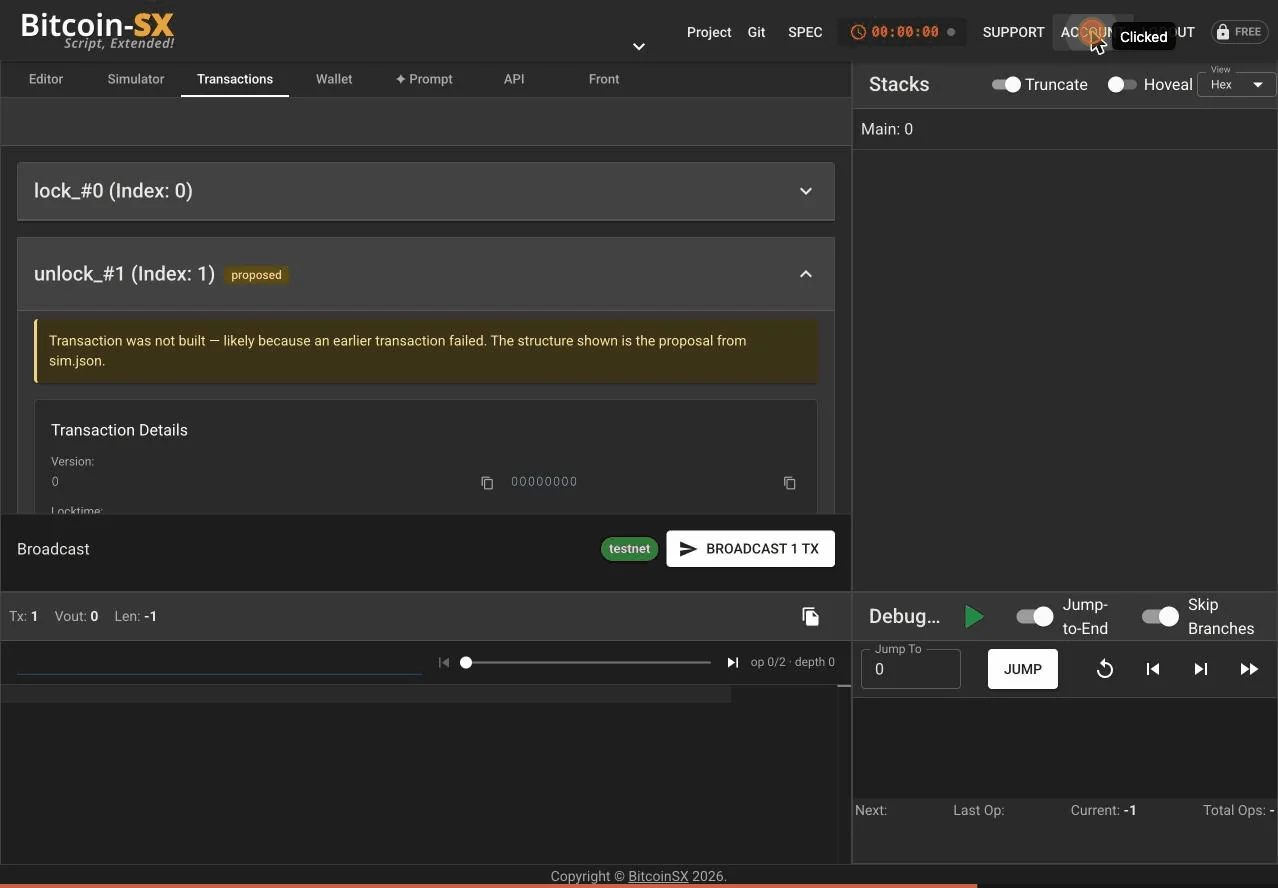
- What you are encoding is a commitment to grade, serial and metadata, after which any later alteration of that record is detectable.

Inside the IDE
Honest limit
This makes the digital record tamper-evident; it doesn't by itself verify the physical card matches the digital token. That binding (photo, serial, vault attestation) is a process you design around it.
Try it now
Run it in the browser before you sign up for anything.
Get the graded collectibles starter kit
A prompt pack and worked example for this use case, so you start from something that already runs rather than a blank editor.
This form isn't connected yet.
Set NEXT_PUBLIC_FORM_STARTER_KIT to a Google Form share link and this section starts collecting submissions. No code change needed.
The starter kit content is still being authored per use case. Join and we'll send it the moment yours is ready, rather than mailing you a placeholder.
Frequently asked questions
If something you need to know isn't here, just ask. We'd rather answer directly than leave you guessing.
No. It makes the digital record tamper-evident. Binding a specific physical slab to its token, via photography, serial capture or a vault attestation, is a process you design around the contract, and it is the part that determines whether the whole system is trustworthy.
Give Every Graded Card an Unforgeable Digital Twin.
Mint a Script-backed certificate for every PSA-graded slab you sell, trade, or vault. Provable ownership history, not a database anyone can quietly edit.
Explore other use cases