Digital credentials
Certificates That Verify Themselves.
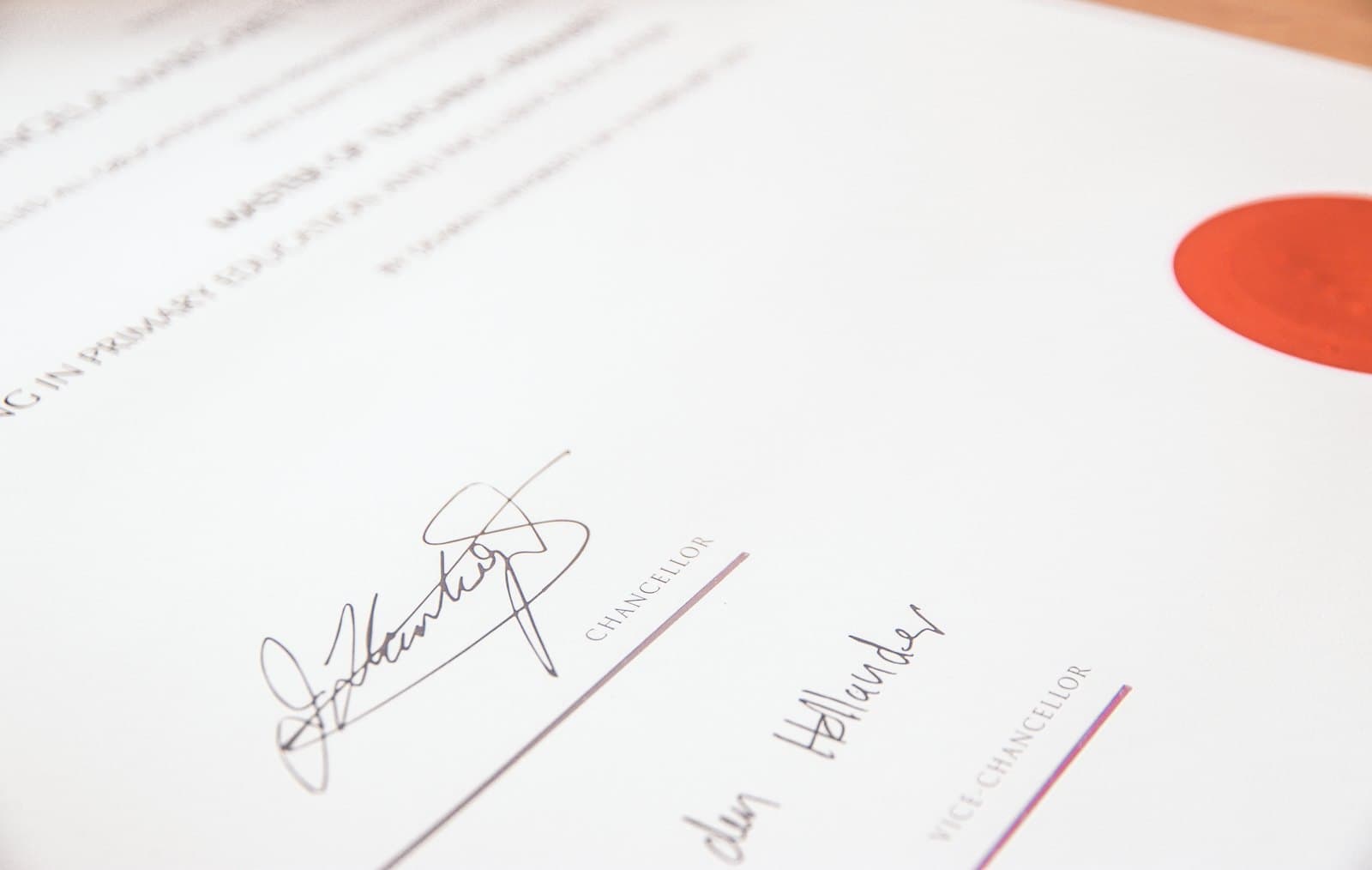
Issue diplomas, licenses, or compliance certificates as signed, tamper-evident records anyone can check without calling your office.
The context
A signed, tamper-evident on-chain record inverts that: the verifier checks the credential directly, and forgery becomes detectable rather than merely discouraged.
What you get
- Issuer authenticity by signature
- Signature-context verification proves the credential was issued by the key it claims.
- Revocation and expiry in Script
- Encode expiry dates and revocation conditions into the contract rather than a side database.
- Verifier-facing lookup app
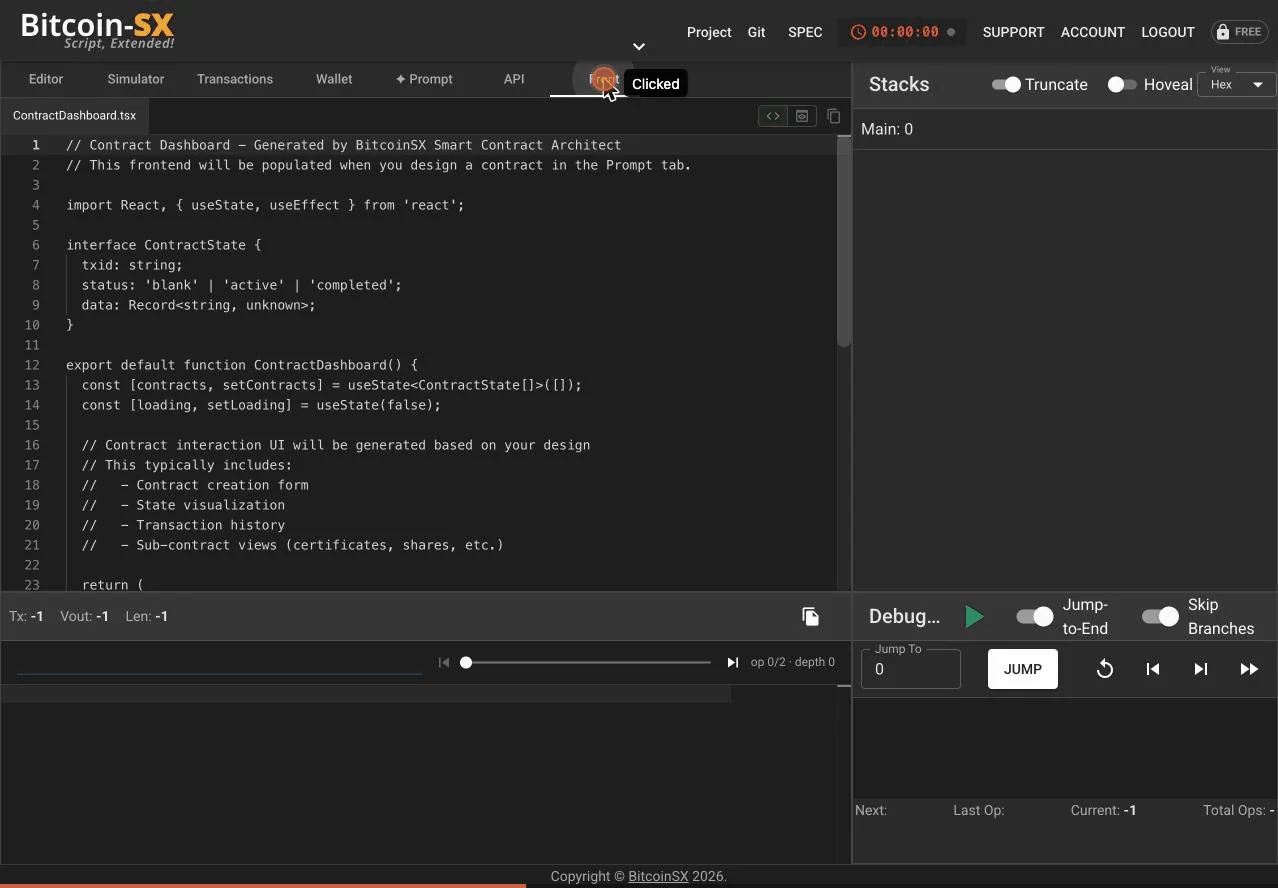
- A lookup app and API are generated together, so third parties can check a credential without contacting you.
Where it starts
Credential issuance, described once.
- Certification is a listed example
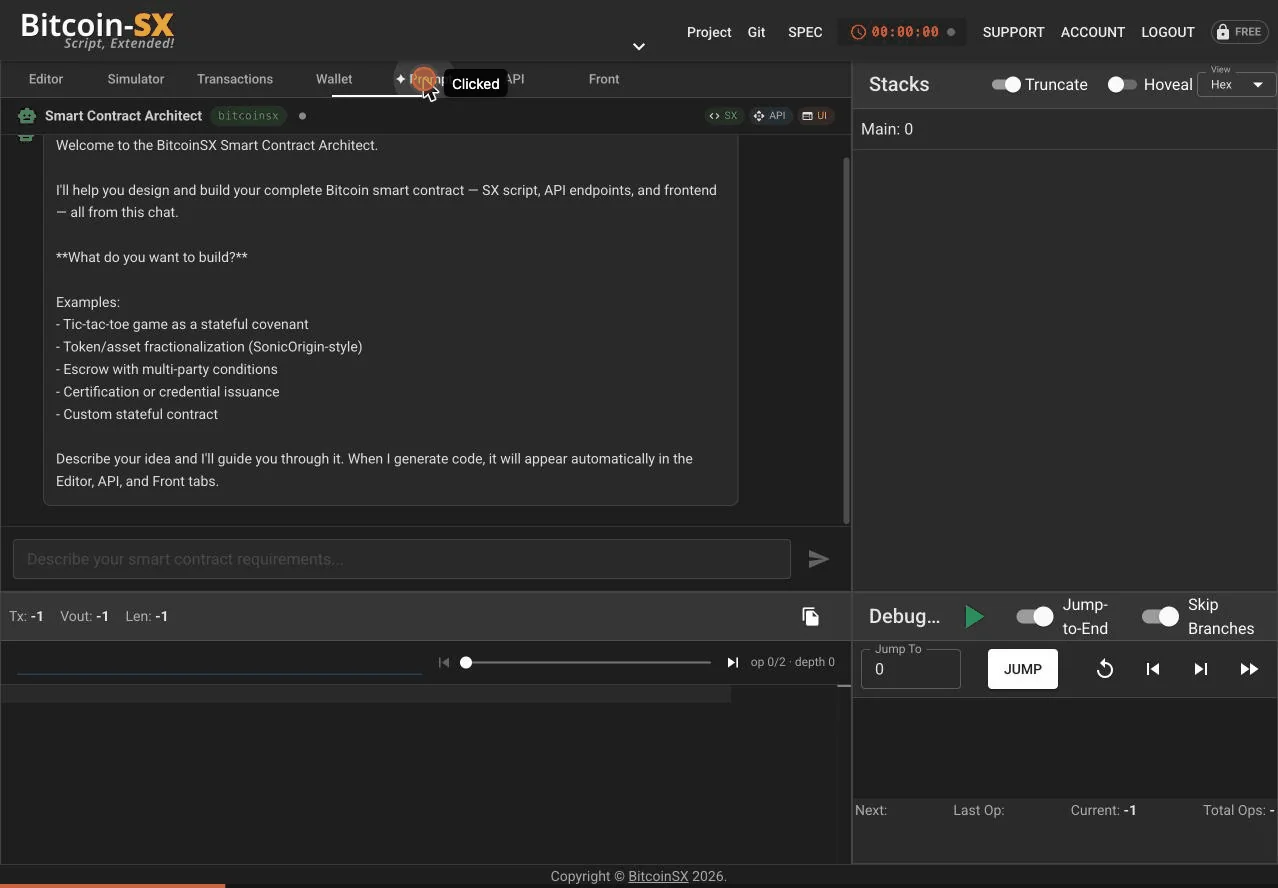
- The Architect's own prompt examples include certification and credential issuance. Describe the issuer, the expiry and the revocation path in plain English.
- The verifier is generated with it
- You get the lookup API and a verifier-facing app alongside the contract, which is the whole point: nobody should have to phone your office.
- Signature context is already handled
- Proving the credential came from your key uses the standard library's signature-context verification rather than something you hand-roll.
Inside the IDE
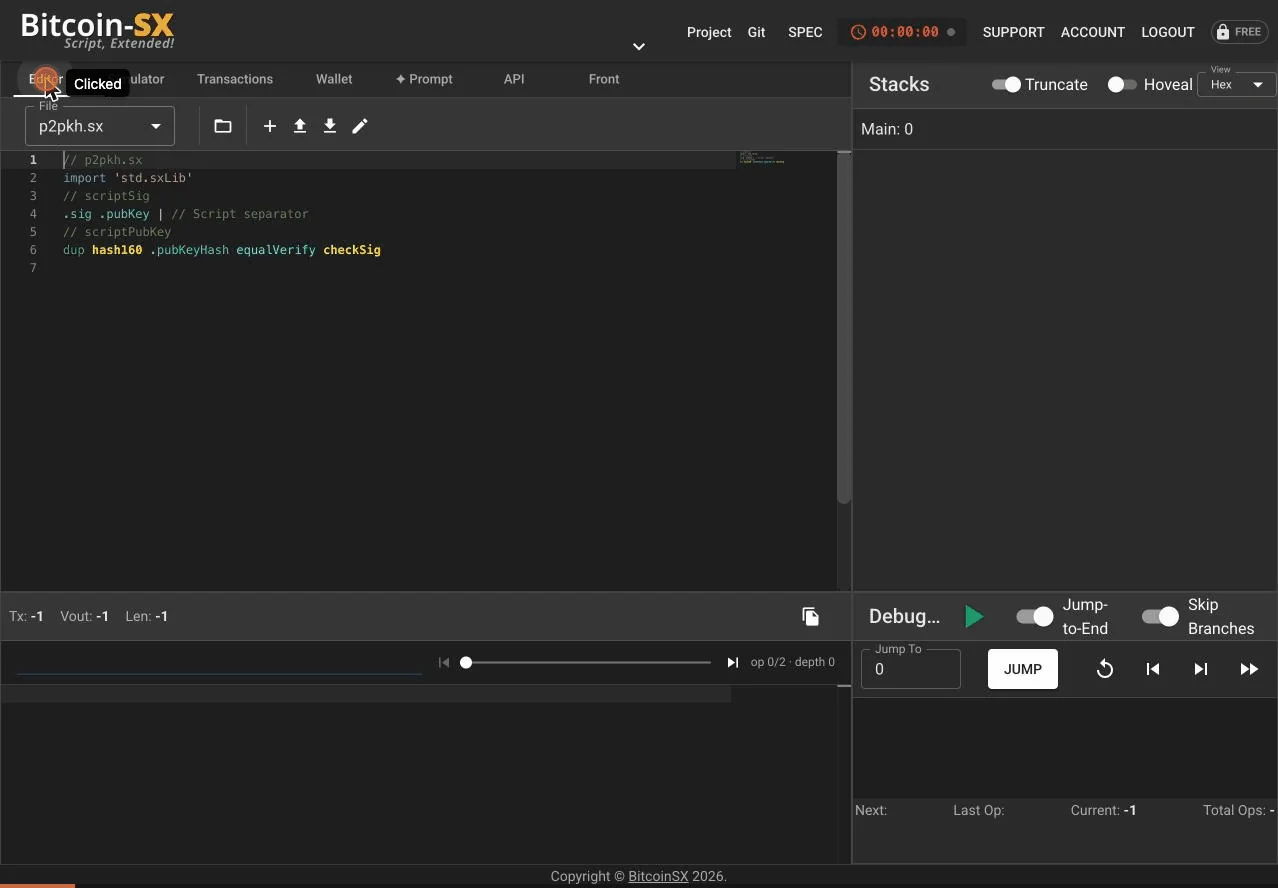
Honest limit
Legal recognition of a credential depends entirely on your institution and jurisdiction. This supplies the tamper-evidence technology, not the legal standing.
Try it now
Run it in the browser before you sign up for anything.
Get the digital credentials starter kit
A prompt pack and worked example for this use case, so you start from something that already runs rather than a blank editor.
This form isn't connected yet.
Set NEXT_PUBLIC_FORM_STARTER_KIT to a Google Form share link and this section starts collecting submissions. No code change needed.
The starter kit content is still being authored per use case. Join and we'll send it the moment yours is ready, rather than mailing you a placeholder.
Frequently asked questions
If something you need to know isn't here, just ask. We'd rather answer directly than leave you guessing.
That depends on your institution and jurisdiction, not on the technology. What this gives you is tamper-evidence and independent verifiability; legal recognition of the credential itself is a question for whoever confers your authority to issue it.
Certificates That Verify Themselves.
Issue diplomas, licenses, or compliance certificates as signed, tamper-evident records anyone can check without calling your office.
Explore other use cases